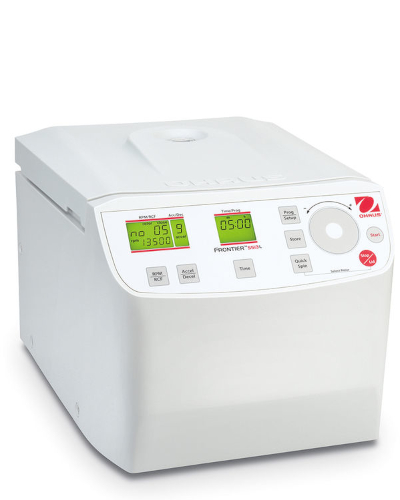

Aerosol-tight systems only work when the seal is in good condition and correctly seated. The guide advises inspecting seals regularly and replacing them immediately if they are dirty, discoloured, cracked, brittle, or damaged, because even small defects can compromise containment.
How do you know if your aerosol-tight rotor lid seal is still safe?
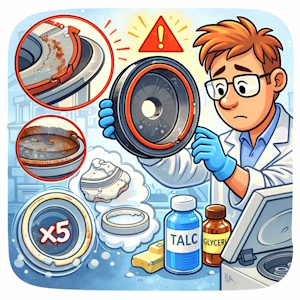
Cleaning and drying can also shorten seal life if you ignore basic care. After cleaning, if a seal is dry, the guide suggests rubbing it with glycerol or talc to protect it and help it seat properly without sticking or tearing. That is a small step that can prevent leaks and premature wear.
Autoclaving adds another rule that many labs miss. The guide states that seals should be replaced after five autoclave cycles, because repeated sterilisation degrades the material and changes how reliably it seals. It also warns against storing aerosol-tight rotors or buckets closed, which is a common habit that can lead to sticking, damage, and poor sealing performance.
For the full seal handling method, fitting guidance, and storage practice, download the full guide.