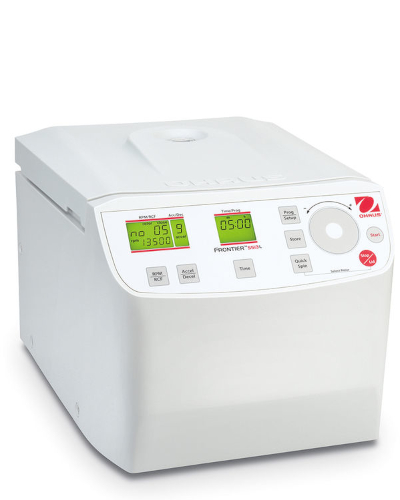

Correct loading is about symmetry and weight, not just “same number of tubes”. With fixed-angle rotors, the guide stresses symmetrical loading and equal weight in opposing positions. It also recommends weighing vessels to minimise differences, because imbalance increases noise and mechanical wear and can affect run quality.
How do you load a centrifuge rotor correctly to reduce vibration and wear?

Swing-out rotors have an extra trap. The guide explains that you can run with fewer loaded buckets, such as two in a four-place rotor, but they must be opposite each other and the remaining buckets should still be fitted so the rotor remains balanced in operation. It also gives a clear tolerance for bucket differences, stating that the maximum difference should be about 1.0 gram.
This matters because persistent vibration does not just annoy staff. It accelerates wear on the drive and increases stress on rotors and accessories. Getting loading right is one of the cheapest ways to extend service life and reduce downtime.
For the full set of correct and incorrect loading examples and setup guidance, download the full guide.